• Health
  • Shopping
  • Auto
Home : Open records

Top Categories

health

finance

shopping

automobile

travel

fashion

Simple Steps to Run a Personal Background Check
Open-Records

Simple Steps to Run a Personal Background Check

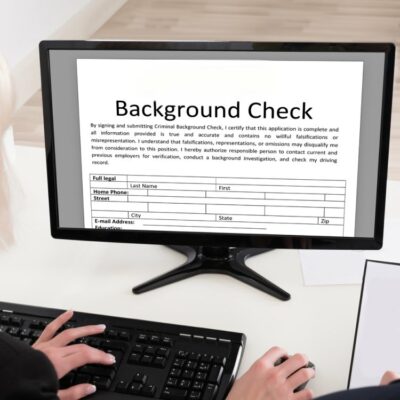
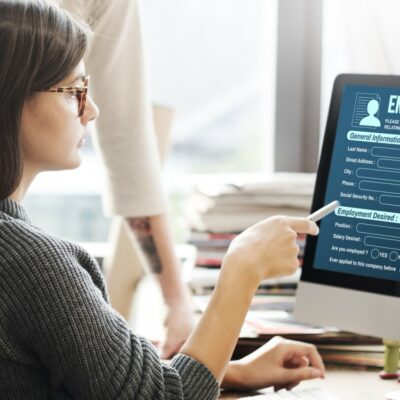
Running a background check on oneself has become more common before job applications, rental agreements, licensing reviews, and financial screenings. Personal records found online may include court information, address history, employment details, and other public data. Reviewing this information ahead of time can help identify outdated or incorrect records before they create confusion during formal screenings. A structured self-check also provides a clearer understanding of what employers, landlords, or other organizations may see in a standard background review. Understand What a Background Check Includes Different background checks collect different types of information. Some reports focus only on criminal history, while others include employment verification, education records, address history, or financial information. Consumer reporting agencies, public record databases, and people-search platforms often gather information from court systems, government agencies, and other public sources. Employment screenings may also verify professional licenses and previous job records. Knowing which information may be helpful in creating a more organized review process before checking records individually. Step 1: Gather Personal Information First Starting with accurate records makes the search process easier. Full legal name, previous addresses, phone numbers, and employment history are commonly used during background checks. Documents such as identification cards, tax records, or past employment paperwork can help confirm details during the review.
Read More

How to Dispute Inaccurate Background Check Results
Open-Records

How to Dispute Inaccurate Background Check Results

Background check errors happen more often than most people realize. A wrong criminal record, a dismissed case, or someone else’s information mixed into a report can cost a person a job offer or a housing application before they get a chance to respond. Understanding how to challenge these mistakes and knowing what the law allows puts people in a much stronger position. Here is a clear, step-by-step look at how the dispute process works. Why Background Check Reports Contain Errors Public records databases, including data compiled by people-search platforms like TruthFinder, draw on a wide range of government and court sources. Because these databases are large and automated, mistakes happen. Common issues include records from someone with a similar name being attached to the wrong profile, charges that were dismissed or expunged still appearing as active, and outdated information that was never updated after a case was resolved. Misdemeanors sometimes show up as felonies. In some cases, identity mix-ups result in a completely different person’s history appearing on a report. Each of these errors, however small they seem, can have real consequences. Know the Federal Protections Available The Fair Credit Reporting Act (FCRA) is the primary federal law that governs how consumer reporting agencies handle background check information.
Read More
Signs a Background Report May Be Missing Important Details
Open-Records

Signs a Background Report May Be Missing Important Details

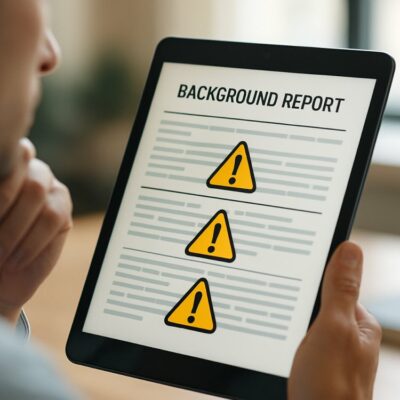
Background reports can provide useful insight into public records, address history, criminal records, and other personal information. However, the accuracy of these reports often depends on how recently databases were updated and how much information a platform can access. Missing details are more common than many people realize, especially when records come from multiple public sources. Understanding the signs of an incomplete background report can help readers evaluate the information more carefully and recognize when additional verification may be necessary. Why Background Reports Are Not Always Complete Background check services do not gather information the way a private investigator would. Instead, they pull data from public record databases managed by courts, government agencies, and local jurisdictions. These databases do not all update at the same pace. A court case resolved last month may not appear in a report for weeks, simply because the responsible agency has not yet uploaded it to a shared system. Most background checks also rely on name matching to link records to a person. If someone has a common name, records belonging to another person can end up in their report, while their own records are left out. These are structural limitations of how public records are collected and shared across thousands of jurisdictions, not failures of any one service.
Read More
8 Popular Background Check Tools to Explore
Open-Records

8 Popular Background Check Tools to Explore

Background checks are no longer used only by large corporations or government agencies. Today, small businesses, landlords, gig platforms, healthcare organizations, and even individuals rely on screening tools to verify identities, reduce fraud, and make safer decisions. However, not every platform serves the same purpose. Some tools are built specifically for employers and follow strict federal hiring regulations, while others are designed for personal searches and public record lookups. Choosing the right platform depends on what you need to verify, how quickly you need results, and whether you must comply with hiring laws such as the Fair Credit Reporting Act (FCRA). Below are some of the top U.S.-based background check tools and what makes each one stand out. Why Choosing the Right Background Check Platform Matters Before comparing providers, it is important to understand that background checks are heavily regulated when used for employment decisions. Employers must use FCRA-compliant screening companies that obtain candidate consent and provide dispute rights if inaccurate information appears on a report. Consumer-focused websites cannot legally be used for hiring decisions. A startup hiring software engineers may prioritize speed and automation, while a hospital may need license verification and drug screening. Someone verifying an online seller or roommate may simply want access to public records.
Read More
How Accurate Are Online Background Reports
Open-Records

How Accurate Are Online Background Reports

Online background reports have become increasingly popular because they offer quick access to public records, identity details, and verification data. Employers, landlords, recruiters, and individuals often use these reports to review someone’s history before making important decisions. With just a name, phone number, or email address, many platforms claim they can deliver detailed reports within minutes. However, speed does not always guarantee accuracy. Online background reports can be useful, but they are not always complete, current, or error-free. Understanding how these reports are compiled can help you better evaluate how reliable they really are. Why Online Background Reports Vary in Accuracy Not all background check platforms collect information in the same way. Some companies gather data directly from official court systems, government databases, and verified institutions. Others rely on third-party data brokers, archived public records, or automated search tools that pull information from multiple databases. The quality of a report often depends on how frequently a platform updates its records. If a company updates databases regularly, the information may be more reliable. If updates happen less frequently, the report may contain outdated addresses, incorrect employment history, or records that no longer apply. Some consumer-focused search platforms prioritize speed and convenience over deep verification, which can increase the chances of incomplete results.
Read More
9 Unexpected Things That Show Up on a Background Check
Open-Records

9 Unexpected Things That Show Up on a Background Check

People often assume a background check only reveals major issues such as criminal convictions or employment history. In reality, background screenings can uncover far more information than many applicants expect. Whether you are applying for a job, renting an apartment, or seeking professional licensing, employers and organizations often use background checks to verify your history and assess potential risks. Knowing what may appear on a background check can help you avoid surprises and address potential issues before they affect important opportunities. Past Addresses and Address History One of the most overlooked details that can appear on a background check is your address history. Screening companies often use your Social Security number and public records to identify previous addresses linked to your name. This information helps employers verify your identity and confirm where you have lived. It may also reveal addresses you forgot were connected to you, such as college housing, temporary rentals, or family homes where you once received mail. Incorrect address records can sometimes create confusion, especially if your name is linked to someone else’s records. Reviewing your credit reports and personal records can help identify errors. Traffic Violations and Driving Records Many applicants are surprised to learn that driving-related issues may appear during certain background checks.
Read More
What Employers See in Background Checks
Open-Records

What Employers See in Background Checks

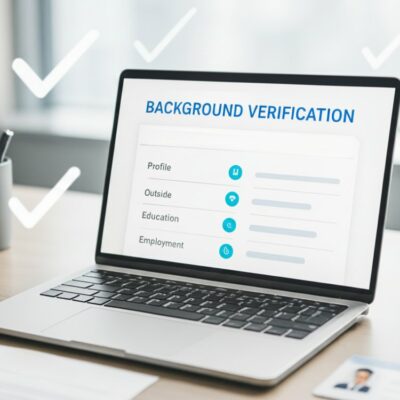
Background checks have become a standard part of the hiring process across many industries. Whether you are applying for an entry-level role, a corporate leadership position, or a job that requires handling sensitive information, employers often use background screenings to verify details and reduce hiring risks. While many applicants assume these checks only focus on criminal records, employers may review a much broader range of information depending on the position. Knowing what employers typically see can help you prepare for the hiring process and avoid unexpected surprises. Why Employers Conduct Background Checks Employers invest significant time and money in recruitment, training, and onboarding. Hiring the wrong person can create financial losses, workplace safety concerns, legal issues, and reputational damage. Background checks help employers confirm that candidates are honest about their qualifications and identify potential concerns before making hiring decisions. Companies may also conduct screenings to comply with industry regulations, especially in healthcare, finance, education, transportation, and government roles. The screening often depends on the role you are applying for. A position involving financial oversight may require more extensive checks than a temporary retail job. Criminal History Verification What Employers May See Criminal background checks are one of the most common screening tools used by employers.
Read More
Common Reasons Background Checks Get Delayed
Open-Records

Common Reasons Background Checks Get Delayed

Waiting on a background check can feel frustrating, especially when a job offer or a housing decision is sitting on hold. Most checks are completed within one to three business days, but that timeline is not guaranteed. Several factors can push the process further out, and most of them have nothing to do with the person being screened. Knowing what causes these delays makes the wait easier to understand and, in some cases, easier to resolve. Court Records Are Not Always Instant Criminal records are stored at the county level, not in one central national database. That means a background check often requires someone to pull records from specific local courthouses, which do not all work the same way. Some counties have fully digital systems that return results quickly. Others still rely on clerks to handle record requests manually, which takes considerably longer. When a clerk’s office is understaffed, dealing with a backlog, or closed for a local holiday, the entire record request sits in a queue. There are thousands of counties across the country, each with its own pace and process. If the subject of a background check has lived in multiple states or counties, each jurisdiction needs to be checked individually, which increases the wait time accordingly.
Read More
Showing 33-40 of 50 results

34567

Popular Articles

4 Small Pickup Trucks to Choose From

4 Small Pickup Trucks to Choose From

Tips to get the best car leasing deals

Tips to get the best car leasing deals

5 affordable crossover SUVs you can buy without thinking twice

5 affordable crossover SUVs you can buy without thinking twice

What to consider before buying a Chevy Silverado 1500

What to consider before buying a Chevy Silverado 1500

© 2026 Coupda.com. All Rights Reserved.

  • About Us
  • Contact Us
  • Privacy Policy
e
Do Not Sell or Share My Personal Information