• Health
  • Shopping
  • Auto
Home : Open records

Top Categories

health

finance

shopping

automobile

travel

fashion

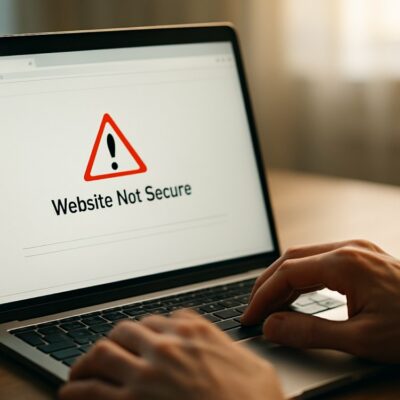
11 Signs a Background Check Website Isn’t Trustworthy
Open-Records

11 Signs a Background Check Website Isn’t Trustworthy

Online background check services have become popular for finding public information, verifying identities, and researching personal or professional connections. However, not every platform provides accurate, secure, or ethical services. Some websites collect outdated data, charge hidden fees, or misuse personal information. Knowing how to identify unreliable platforms can help protect privacy, finances, and online safety. Why Website Trust Matters Background check websites often handle sensitive personal details such as addresses, phone numbers, criminal records, employment history, and financial information. An unreliable platform may expose inaccurate results, misleading reports, or unsafe payment practices. Choosing a trustworthy service helps ensure better data accuracy, stronger security, and clearer legal compliance. Lack of Transparent Contact Information One of the clearest warning signs is missing or vague contact information. What to Watch For A questionable website may not provide a physical business address, customer support details, a working phone number, and a verified email address. Legitimate services usually offer multiple support channels and clearly explain how customers can reach them. Why It Matters Without visible contact information, resolving billing disputes, refund requests, or data concerns becomes difficult. Hidden Fees and Misleading Pricing Some background check websites advertise low-cost reports but add unexpected charges later. Common Pricing Tricks Untrustworthy platforms may o ffer “free” searches that require payment afterward, automatically enroll users in subscriptions, hide recurring monthly fees in small print, or make cancellation difficult.
Read More
How Schools and Daycares Verify Staff Before Hiring
Open-Records

How Schools and Daycares Verify Staff Before Hiring

Schools and daycare centers carry enormous responsibility because parents trust them to provide safe, structured, and supportive environments for children. Hiring the right employees is therefore far more complex than simply reviewing resumes or conducting interviews. Educational institutions and childcare providers must carefully evaluate candidates before allowing them to work around students, infants, or young children. Staff screening processes are designed to reduce safety risks, verify qualifications, and ensure employees meet professional and legal standards. While screening procedures vary by state and institution, most schools and daycare facilities follow multiple layers of verification before making hiring decisions. Importance of Staff Screening in Educational Environments Children spend a large portion of their day in schools and daycare centers, which means staff members are placed in positions of trust and authority. Teachers, childcare workers, administrators, drivers, cafeteria employees, and even maintenance staff may interact with children regularly. Because of this, educational organizations often apply stricter hiring standards than many other industries. Screening procedures help identify concerns that may affect student safety, workplace conduct, or regulatory compliance. In addition to protecting children, screening also helps schools maintain their reputation, reduce legal risks, and comply with state licensing requirements. Criminal Background Checks Reviewing Criminal History Records One of the most important parts of the hiring process involves criminal background screening.
Read More
Is That Charity Real? How to Verify a Nonprofit Before You Donate
Open-Records

Is That Charity Real? How to Verify a Nonprofit Before You Donate

Online giving has made donating easier than ever, but it has also increased the risk of fake charities and misleading fundraising campaigns. Before sending money, it is important to confirm that a nonprofit is legitimate, transparent, and properly managed. A few simple checks can help donors support trustworthy organizations while avoiding scams and financial loss. Why Charity Verification Matters Not every fundraising appeal comes from a genuine nonprofit. Fraudulent organizations may use emotional stories, copied images, or urgent requests to pressure people into donating quickly. In some cases, fake charities disappear after collecting funds. Verifying a nonprofit helps ensure donations reach real programs and communities in need. It also allows donors to make informed decisions based on transparency, financial responsibility, and charitable impact. Check the Nonprofit’s Registration Status A legitimate nonprofit should be officially registered and recognized as a tax-exempt organization. Search Government Databases Many countries provide online databases where donors can search nonprofit records. Look for details such as o fficial organization name, registration number, tax-exempt status, filing history, and current standing. If the charity cannot be found in a government registry, that is a warning sign. Confirm the Organization Name Scammers often create names that sound similar to well-known charities.
Read More
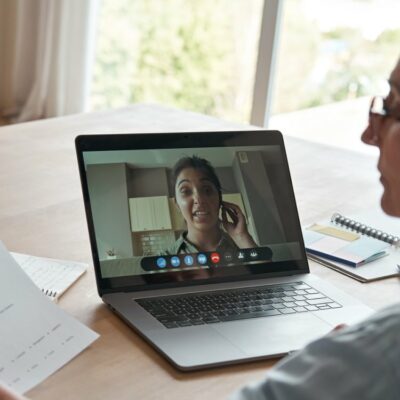
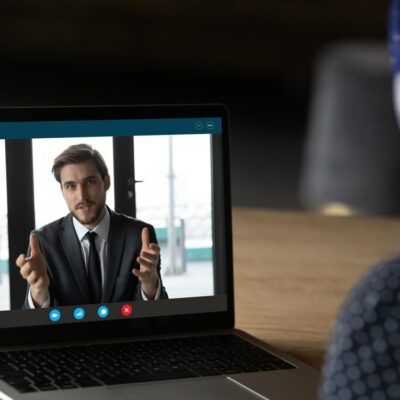
Why Reference Checks Still Matter in a Digital World
Open-Records

Why Reference Checks Still Matter in a Digital World

Online profiles, digital portfolios, automated background screenings, and AI-powered hiring tools have transformed how employers evaluate candidates. With so much data available at a click, it is reasonable to ask whether the traditional reference check still serves a purpose. The answer is yes, and for reasons that go beyond habit or formality. Reference checks surface information that no algorithm, database, or social media profile can reliably replicate. What Reference Checks Actually Reveal A background check confirms facts. A reference check reveals character, behavior, and context. These are fundamentally different categories of information, and both matter when making a hiring decision. When a former manager or colleague speaks about a candidate, they are drawing on direct, extended observation of how that person works under pressure, handles feedback, collaborates with others, and shows up when things get difficult. That kind of firsthand account is qualitatively different from anything a digital record can provide. Behavioral Patterns That Records Cannot Capture A clean employment history tells you someone stayed in their role. It does not tell you whether they were the person who held the team together during a difficult quarter, or whether they consistently missed deadlines and left problems for others to clean up.
Read More
How to Protect Elderly Family Members From Fraud
Open-Records

How to Protect Elderly Family Members From Fraud

Fraud targeting older adults is one of the most prevalent and damaging forms of financial crime in the United States. The FBI estimates that seniors lose billions of dollars to fraud each year, and the actual figure is likely higher since many cases go unreported out of embarrassment or confusion. Protecting elderly family members requires ongoing conversations, practical safeguards, and an understanding of how these schemes actually work. The Most Common Scams Targeting Seniors Grandparent Scams A caller claims to be a grandchild in trouble, typically saying they have been arrested, are in a hospital, or are stranded abroad. They beg the older adult not to tell other family members and ask for money wired or sent via gift cards immediately. The urgency and emotional manipulation are deliberate. Government Impersonation Scams Fraudsters pose as IRS agents, Social Security Administration representatives, or Medicare officials. They claim there is a problem with the senior’s account, that they owe back taxes, or that their benefits are at risk. Real government agencies do not call unexpectedly and demand immediate payment. Tech Support Scams A pop-up message or phone call warns the senior that their computer has a virus. The caller asks for remote access to fix the problem, then uses that access to steal financial information or install actual malware.
Read More
How to Find Out If Someone Has Filed for Bankruptcy
Open-Records

How to Find Out If Someone Has Filed for Bankruptcy

Bankruptcy filings are part of the public record, which means certain details can be accessed legally through approved sources. Whether checking financial information before signing a lease, entering a business agreement, or reviewing a potential tenant, understanding how to find bankruptcy records can help support informed decisions. This guide explains the most reliable ways to find out if someone has filed for bankruptcy while staying compliant with privacy and legal standards. What Is a Bankruptcy Filing? A bankruptcy filing is a legal process used by individuals or businesses that cannot repay debts. Once a case is filed in court, records are typically made available through public databases and court systems. Common bankruptcy types include: Chapter 7 bankruptcy Chapter 13 bankruptcy Chapter 11 bankruptcy for businesses These filings may contain information such as f iling date, court location, case number, status of the case, and discharge details. Why Someone May Need Bankruptcy Information There are several legitimate reasons to search bankruptcy records. Tenant Screening Property owners may review financial history before approving rental applications. Business Partnerships Companies often verify financial stability before entering contracts or agreements. Debt Collection Review Financial institutions and collection agencies may confirm whether debts are protected through bankruptcy proceedings.
Read More
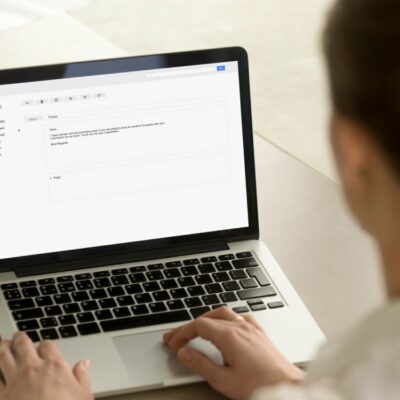
How to Dispute Inaccurate Background Check Results
Open-Records

How to Dispute Inaccurate Background Check Results

Background check errors happen more often than most people realize. A wrong criminal record, a dismissed case, or someone else’s information mixed into a report can cost a person a job offer or a housing application before they get a chance to respond. Understanding how to challenge these mistakes and knowing what the law allows puts people in a much stronger position. Here is a clear, step-by-step look at how the dispute process works. Why Background Check Reports Contain Errors Public records databases, including data compiled by people-search platforms like TruthFinder, draw on a wide range of government and court sources. Because these databases are large and automated, mistakes happen. Common issues include records from someone with a similar name being attached to the wrong profile, charges that were dismissed or expunged still appearing as active, and outdated information that was never updated after a case was resolved. Misdemeanors sometimes show up as felonies. In some cases, identity mix-ups result in a completely different person’s history appearing on a report. Each of these errors, however small they seem, can have real consequences. Know the Federal Protections Available The Fair Credit Reporting Act (FCRA) is the primary federal law that governs how consumer reporting agencies handle background check information.
Read More
Hiring a Contractor? Here’s How to Verify Their Credentials
Open-Records

Hiring a Contractor? Here’s How to Verify Their Credentials

Hiring a contractor often involves more than comparing prices or reviewing project timelines. Licensing, insurance coverage, work history, and reputation all play a role in determining whether a contractor is qualified for a project. Incomplete verification can lead to delays, unexpected costs, or workmanship problems later. A careful review of credentials helps confirm that the contractor meets local requirements and has relevant experience. Taking time to verify important details also creates a clearer understanding of professionalism, reliability, and overall project readiness. Understand Why Credential Verification Matters Contractors often handle projects involving structural work, electrical systems, plumbing, roofing, or renovations. Because these jobs affect property safety and value, proper qualifications are important. Credential checks help confirm whether a contractor operates legally and maintains the certifications required for specific work. Verified information may also reduce misunderstandings involving permits, insurance claims, or project expectations later. Reliable contractors generally provide licensing and business information openly during the hiring process. Check Licensing Requirements First Licensing rules vary depending on the type of work and local regulations. Contractors working in specialized fields may need additional certifications or trade-specific licenses before performing certain tasks. Local licensing boards or government websites often provide searchable databases for confirming active licenses.
Read More
Showing 25-32 of 50 results

234567

Popular Articles

4 Small Pickup Trucks to Choose From

4 Small Pickup Trucks to Choose From

Tips to get the best car leasing deals

Tips to get the best car leasing deals

5 affordable crossover SUVs you can buy without thinking twice

5 affordable crossover SUVs you can buy without thinking twice

What to consider before buying a Chevy Silverado 1500

What to consider before buying a Chevy Silverado 1500

© 2026 Coupda.com. All Rights Reserved.

  • About Us
  • Contact Us
  • Privacy Policy
e
Do Not Sell or Share My Personal Information