How Remote Hiring Changed Employee Screening
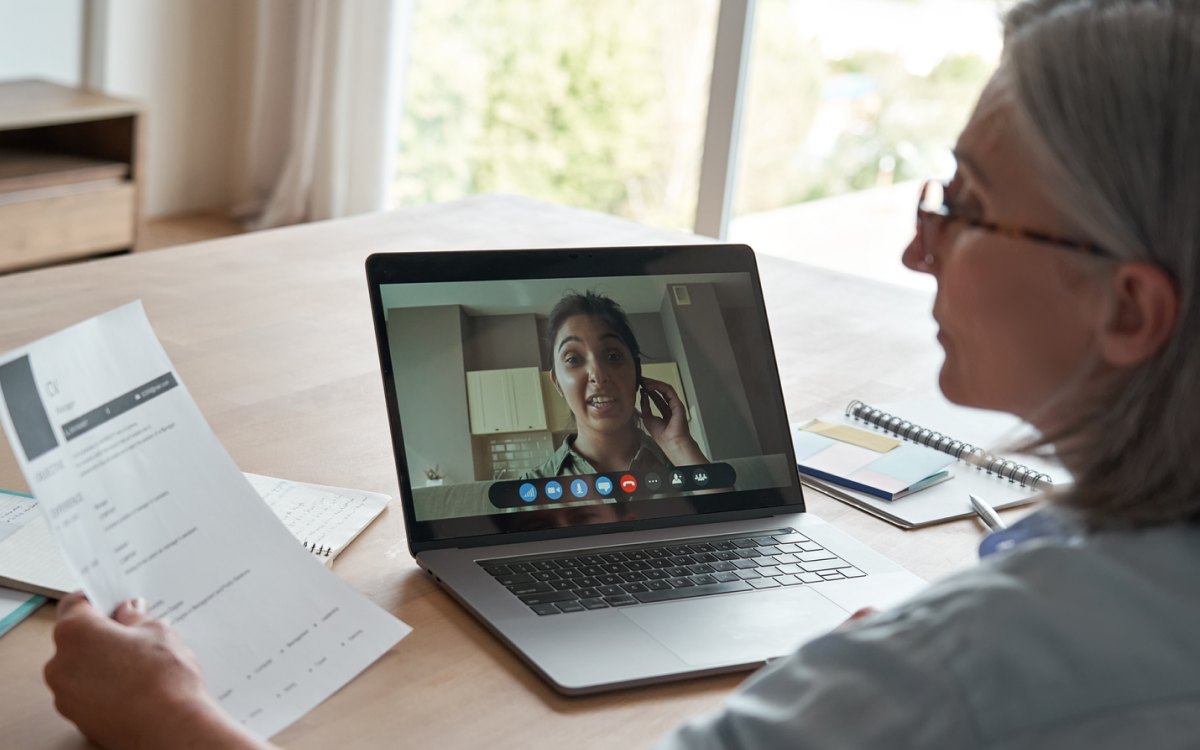
The traditional job interview used to be a predictable, local ritual. You would print your resume, dress in business attire, drive to an office, and shake hands with a hiring manager. Today, that entire sequence can happen over a laptop screen from the comfort of home. The rapid shift toward remote work has completely transformed the modern workplace, forcing organizations to change how they evaluate and hire talent for different roles.
Digital Identity Verification
When you never meet an applicant face to face, verifying that they are truly who they say they are becomes an immediate challenge. Remote hiring has made identity fraud a major concern for corporate security departments. A growing issue is proxy interviewing, where a highly qualified professional takes the interview on behalf of a less skilled applicant. To counter this, companies now integrate automated identity verification tools directly into their screening processes. Candidates must upload government-issued identification and complete a live biometric facial scan before their initial video call to ensure the correct person gets hired.
Paperless Document Collection
Traditional paperwork has completely vanished in favor of secure digital portals. Modern screening platforms use encrypted software to collect social security numbers, bank routing details, and tax forms remotely. This shift protects candidate privacy while allowing automated systems to instantly cross-reference submitted data with federal databases. By removing physical documentation from the equation, HR teams can flag inconsistencies before an offer letter is ever generated, making the collection process entirely secure and cloud-based.
Work Samples and Skill Simulations
Evaluating a candidate’s day-to-day capabilities is much harder when you cannot watch them work in an office setting. As a result, the screening industry has moved away from conversational evaluations toward evidence-based performance tracking. Instead of simply asking candidates to describe their skills, employers now use simulated work environments. Software developers complete real-time coding challenges on monitored platforms, while customer success applicants navigate simulated client crises, giving hiring managers objective performance data that a standard resume simply cannot provide.
Asynchronous Video Screening
Asynchronous video interviews have quickly become a staple of the early screening phase for remote companies. Candidates record video responses to a set of predetermined questions on their own schedule, which eliminates time zone conflicts. Advanced screening platforms analyze these submissions, allowing recruiters to review hundreds of applicants efficiently without scheduling hassles. This methodology ensures that every applicant answers the exact same questions under identical conditions, reducing initial human bias and speeding up the early stages of evaluation.
Automation of Multi-State Compliance
Employment laws vary drastically from state to state, especially regarding criminal history and salary disclosures. Modern background check platforms automatically adjust screening questionnaires based on the candidate’s physical location. This automated localization ensures that companies do not accidentally violate state-specific ban-the-box laws or salary history bans during the distributed hiring process.
Accelerated Background Checks
Because remote jobs attract applicants from all across the country, competition for top talent is fierce. Companies cannot afford to wait weeks for a local courthouse to process a manual background check. The screening industry has responded by building direct API integrations with national county court repositories and credit bureaus. These digital pipelines allow background screening companies to bypass traditional administrative delays and deliver accurate criminal, credit, and employment verifications in hours rather than days.
Screened Communication and Autonomy
In a physical office, employees absorb company culture naturally through daily interactions, but remote environments require different foundational strengths. Screening processes now heavily weigh how a candidate communicates in writing during the application phase. Furthermore, companies utilize situational judgment tests designed to measure an applicant’s time management skills, intrinsic motivation, and ability to troubleshoot problems independently without a manager looking over their shoulder.